Points to Ponder in 1 Samuel 17-18, 24-26; 2 Samuel 5-7

To accompany your Come, Follow Me study for June 15-21
In addition to reading these chapters, you may enjoy:
- The corresponding material from the Old Testament Study Helps at 1 Samuel 17–18; 24–26; 2 Samuel 5–7.
- The remaining chapters of 1 and 2 Samuel to get the “rest of the story.”
- Scripture Central 1 Samuel 17-18, 24-26; 2 Samuel 5-7 - Scripture Central
- FAIR The Battle Is the Lord's
- Interpreter Foundation 1 Samuel 17–18; 24–26; 2 Samuel 5–7
- Any or all of the following videos:
Points to Ponder in 1 Samuel 17-18, 24-26; 2 Samuel 5-7
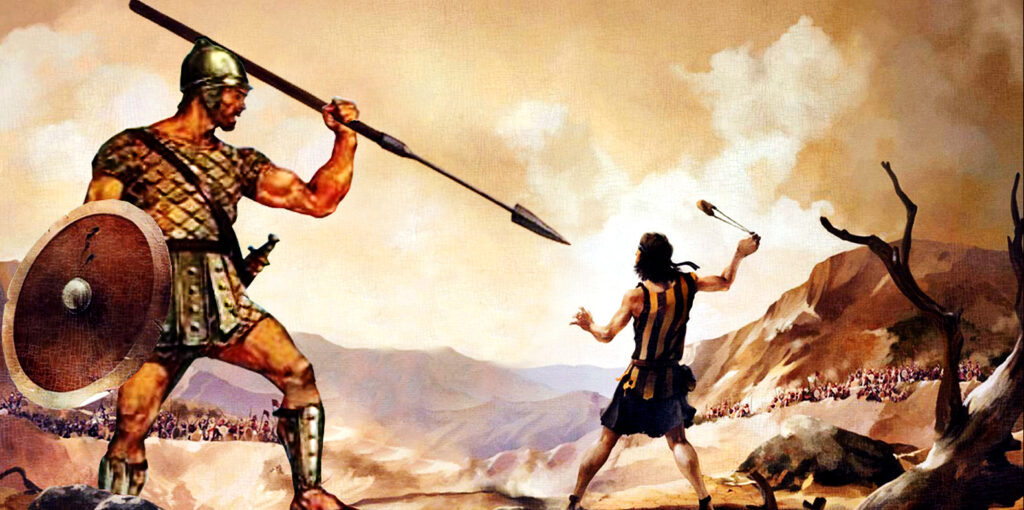
1. Why is the story of David and Goliath such a favorite among Bible readers? What details did you see in the story this time that you may have missed before?
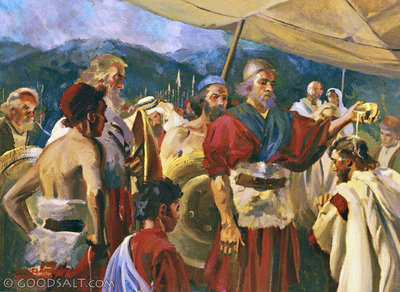
2. How was the way David became king different from how national leaders are installed today? How were early Israelite kings different from the typical kings of the ancient world?
3. What points most stand out to you in 1 Samuel 18?
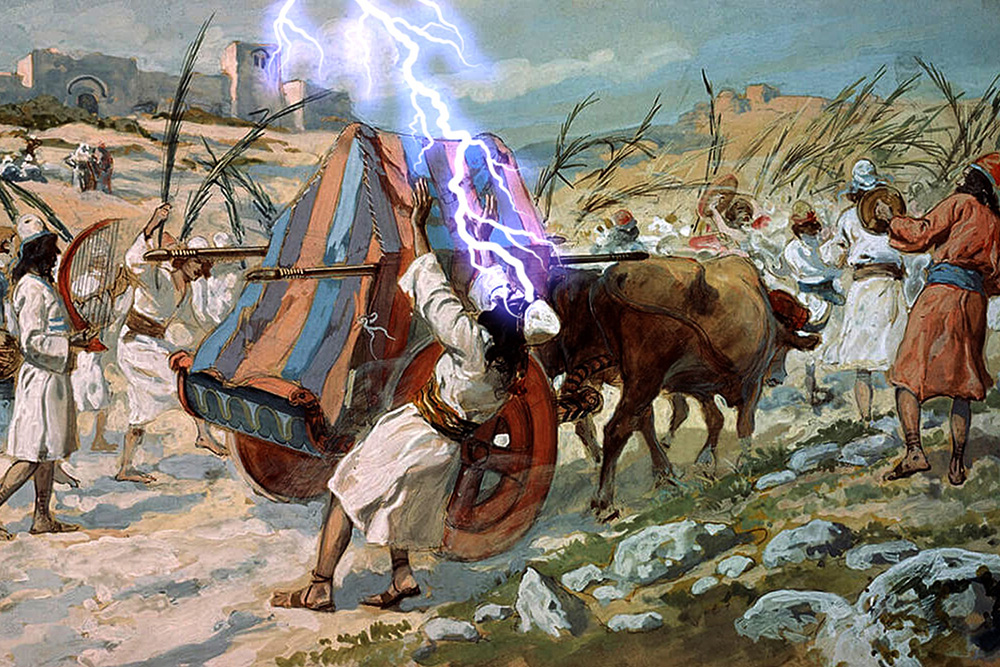
4. How can you justify the Lord’s killing Uzzah in 2 Samuel 6, when Uzzah was only trying to help keep the sacred ark of the covenant from falling and getting damaged?
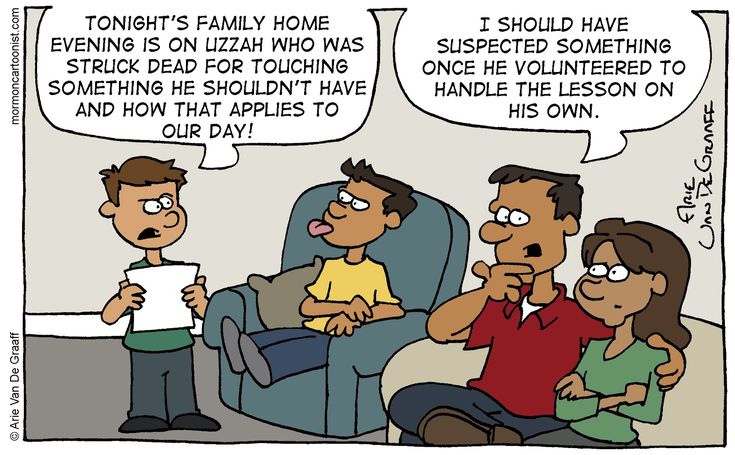
5. What applications can we make of this “don’t steady the ark” principle in our lives today?
Possible Answers to Points to Ponder in 1 Samuel 17-18, 24-26; 2 Samuel 5-7
1. Why is the story of David and Goliath such a favorite among Bible readers? What details did you see in the story this time that you may have missed before?
We all like to see the likable underdog prevail over the villain, and this is a classic example of it. Some interesting details that may often be overlooked include:
- David rose up early in the morning to fulfill his father’s instructions.
- David ran toward Goliath.
- While it took only one stone to kill Goliath, David had four others along just in case.
2. How was the way David became king different from how national leaders are installed today? How were early Israelite kings different from the typical kings of the ancient world?
David was not elected, nor did he assume the monarchy by force, but he was called of God through Samuel and was anointed by the elders of Israel, after making a “league” or covenant with them. This was similar to the sustaining vote with which leaders in the Church today are installed.
David’s reign was that of a limited monarchy. Much power remained with the people. Government was decentralized, and having been appointed by a prophet, with popular consent, he could theoretically be deposed in the same way, should the need arise.
3. What points most stand out to you in 1 Samuel 18?
To me they would be:
- Jonathan’s great love for David, even though David, not Jonathan, would succeed Jonathan’s father as king.
- The Lord’s protection of the righteous David.
4. How can you justify the Lord’s killing Uzzah in 2 Samuel 6, when Uzzah was only trying to help keep the sacred ark of the covenant from falling and getting damaged?
We don’t know Uzzah’s motives. It is possible he was thinking, “Aha! Here’s my chance to touch the ark, as I can pretend I was just trying to keep it from falling.” If so, we can stop feeling sorry for him at all. On the other hand, it is entirely possible that Uzzah’s motives were pure and that he was as surprised as anyone else that he was struck dead.
What we do know is that (1) the Lord had been very specific that no one but an authorized Levite was to touch the ark and (2) that Israel had a very hard time understanding that the Lord cannot look upon sin with the least degree of allowance. It was evidently more important to underline that principle than to let Uzzah eventually die from old age. If he was indeed innocent of bad intentions, I can imagine the Lord (or His representative) telling an astonished Uzzah, as he entered the spirit world, “Sorry about that, Brother Uzzah! But you’ll love it here. And we’ll watch over your wife and kids and help them get by fine for the next forty (or 70) years without you. But what a lesson you helped teach the rest of Israel today! And you’re going to be memorialized forever in 2 Samuel 6.” 😊
5. What applications can we make of this “don’t steady the ark” principle in our lives today?
We need to remember that just because something ought to be done doesn’t mean that we are the ones who should do it. For example:
- It’s the role of the bishop or his counselor to tell a priest he needs to repeat a sacramental prayer. Others would be out of place to stand up in sacrament meeting and insist on it.
- We have no right to cast a dissenting vote during the sustaining of officers just because we think someone else would have made a better bishop or Relief Society president. “At such a time we are not being asked for our opinion.” We are being asked if we are willing to get behind and help whoever has been called by proper authority to the position.
- We have no right to vote against someone’s ordination to a priesthood office unless we have information that we are confident the presiding authorities didn’t have and are equally confident that such information would have made a difference, had they had it. (Even then, it would be much better to go to the bishop or stake president in private than to cast a negative vote in a meeting.)
- We would be out of place to lobby for the ordination of women to the priesthood.
- We would be equally out of place to publicly campaign for a different COVID masking policy than the one President Nelson put forth.
- We have no right to try to prevent someone from going to the temple if his bishop and stake president have given him a recommend.
None of this means, of course, that we cannot privately bring information to the attention of our leaders or even offer our point of view on the propriety of a contemplated course of action. It does mean that we must not take it upon ourselves to otherwise either promote or oppose a policy or action of those in authority over us.
Cartoons for Your Enjoyment


Comments
Post a Comment