Points to Ponder in Exodus 14-18
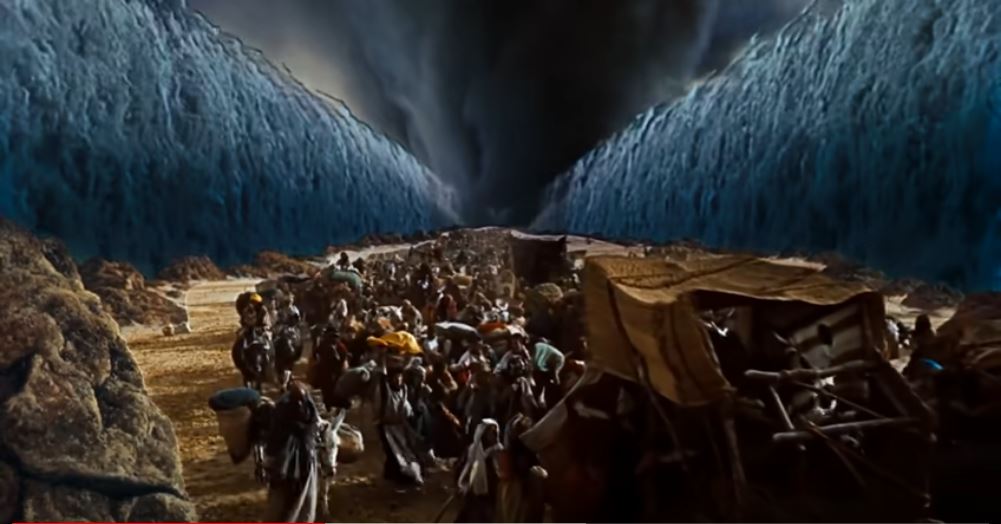
To accompany your Come, Follow Me study for April 13-19
In addition to reading these chapters, you may want to look at:
- Old Testament Scripture Helps at Exodus 14–18.
- Scripture Central Exodus 14-18 - Scripture Central
- FAIR Stand Still, and See the Salvation of the Lord
- The Interpreter Foundation Exodus 14–18
- Any or all of the following videos:
If you would like a Kahoot game related to this material, click here:
https://create.kahoot.it/details/exodus-14-18/1358b637-6128-4727-9712-a40f5c0dd60d.
Points to Ponder in Exodus 14-18
1. Can you list ten miracles the Lord performed in this week’s reading? Why were there so many?
2. How many times does Exodus 14-18 record the Lord’s speaking with Moses?
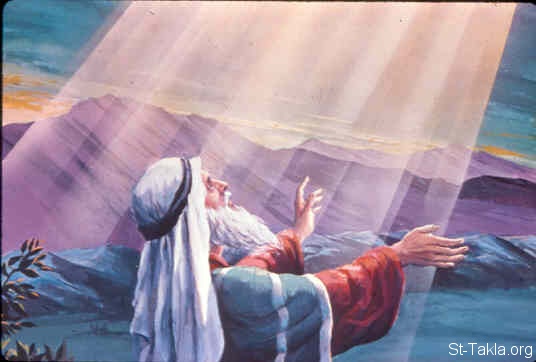
3. How many times do the people complain to Moses in Exodus 14-18, and why?
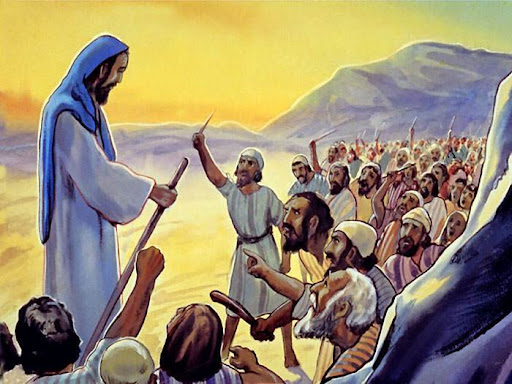
4. What additional insight into the dividing of the Red Sea is provided by Moses 1?
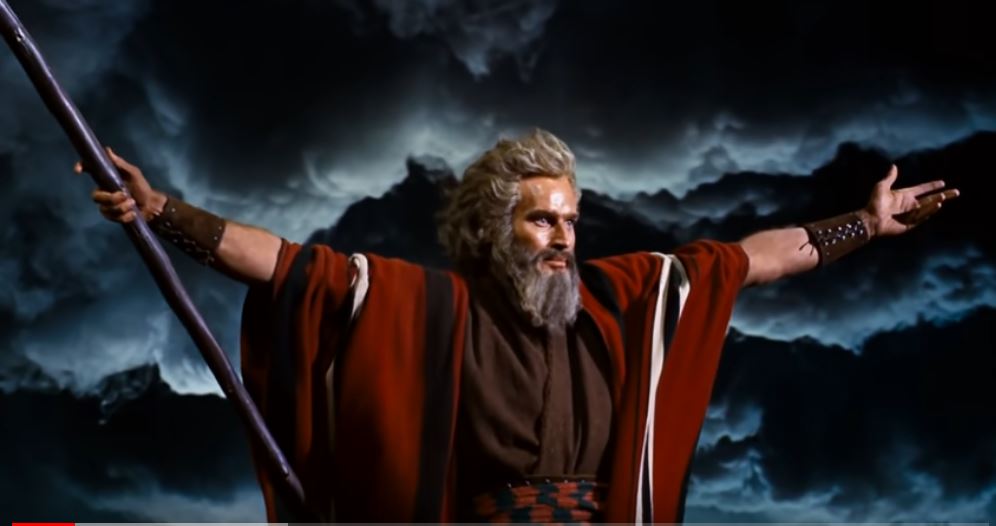
5. What are the general principles (universally applicable) that you feel are best taught in Exodus 14-18?
6. Why was Moses initially reluctant to delegate responsibility? (Ex. 18) What negative effect did his hesitation have on (a) him? (b) the Israelites in general? Why did Jethro ask Moses, “What is this thing that thou doest to the people,” rather than “for the people,” or “with the people”? How can we best apply this principle in our own lives?
Possible Answers to Points to Ponder in Exodus 14-18
1. Can you list ten miracles the Lord performed in this week’s reading? Why were there so many?
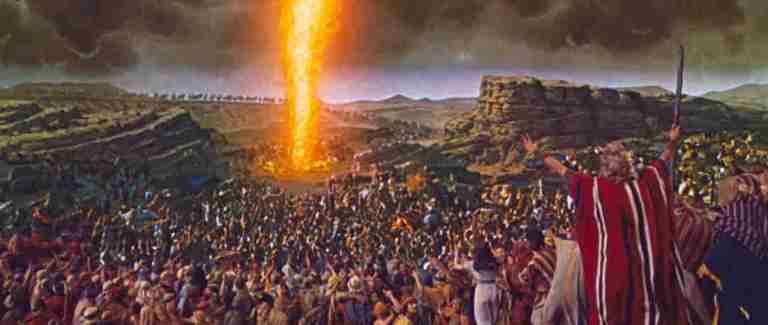
- Pillar provides darkness to Egyptians and light to Israelites, protecting the Israelites during the night. (14:20)
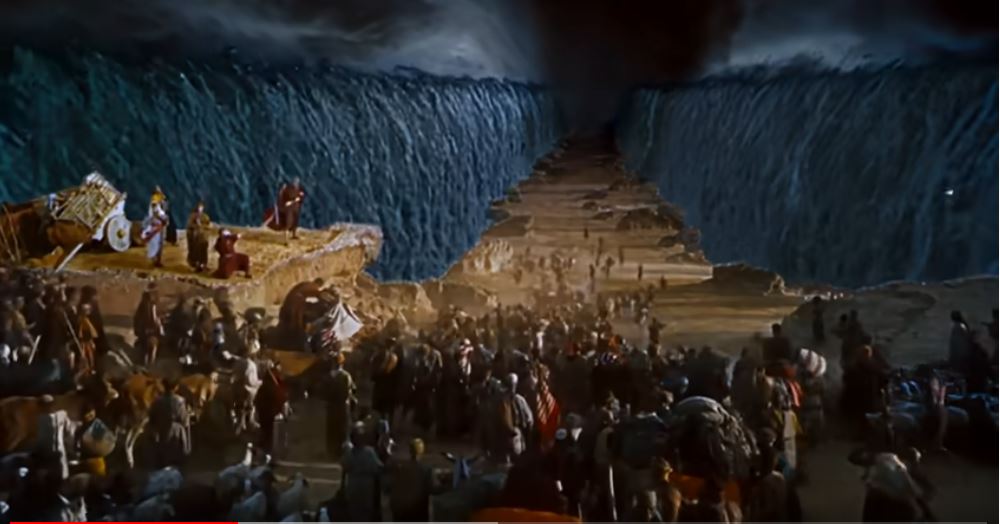
- Parting of “Red Sea” (14:21) to permit the Israelites to cross.
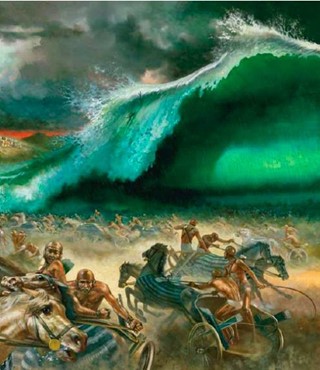
- Lord “troubled the host of the Egyptians” and bound their chariot wheels. (14:24-25)

- Sudden closing of the Red Sea (14:27), drowning the Egyptians
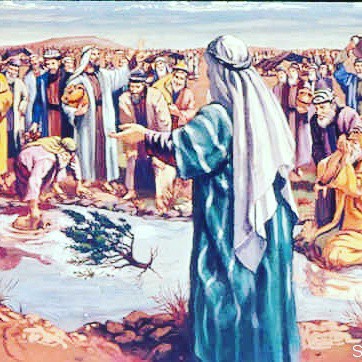
- Waters made sweet by Moses casting a tree (which the Lord showed him in vision) into the bitter waters. (15:25)
- Glory of the Lord appears to the entire congregation in a cloud. (16:10)
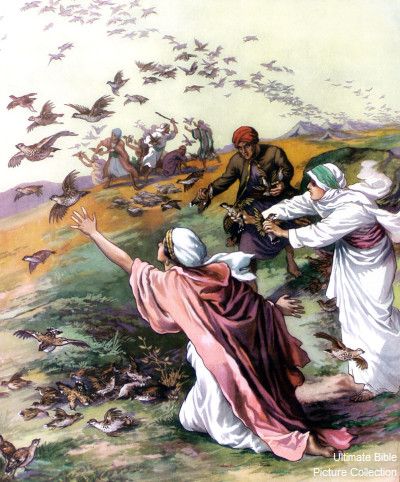
- Quail (16:13)
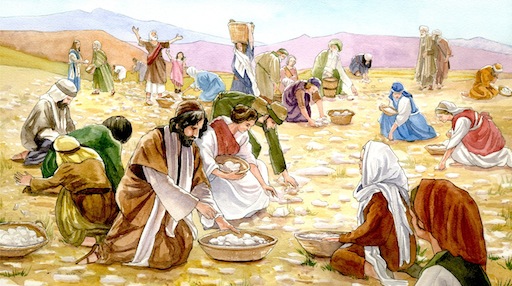
- Manna (16:13-15) every day, melting in the hot sun, bred worms and stank if left until the morning, except on the morning of the Sabbath
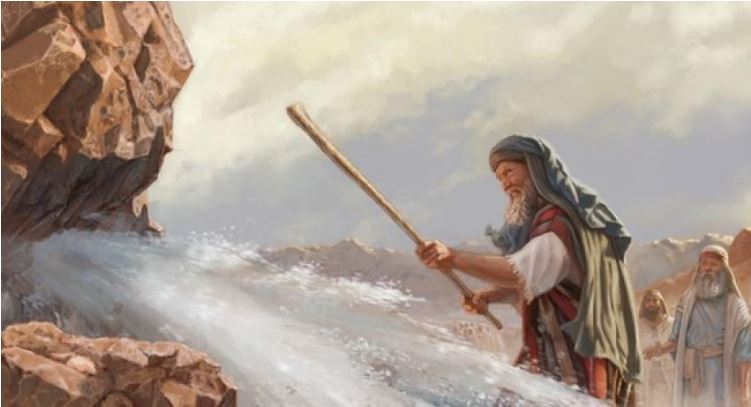
- Water from rock (17:6)
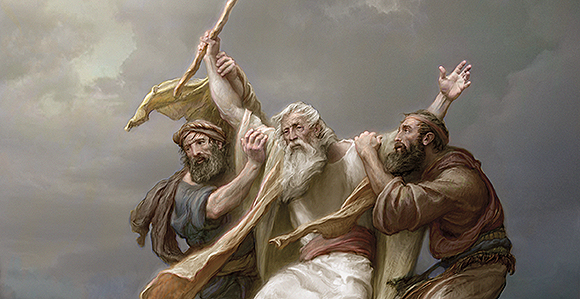
- Israelites prevail against Amalekites when Moses’ hands are held up but begin to lose when his hands are lowered. (17:11)
The answer to why there were so many miracles at this time seems to be that the Israelites had no other resources to escape from the Egyptians, to feed and provide water for themselves in the desert, and to fight against their enemies. Nephi’s assurance that “it is by grace that we are saved, after all we can do” (2 Nephi 25:23) thus has a temporal as well as a spiritual application.
2. How many times does Exodus 14-18 record the Lord’s speaking with Moses?
- 14:1
- 14:15
- 14:26
- 15:26
- 16:4
- 16:11
- 17:5
- 17:14
3. How many times do the people complain to Moses in Exodus 14-18, and why?
- 14:11 Egyptians are pursuing them
- 15:24 Bitter water
- 16:2 No food
- 17:3 No water
4. What additional insight into the dividing of the Red Sea is provided by Moses 1?
From Moses 1:25 it appears that Moses was to speak to the waters and they would obey him, rather than merely raise his rod.
5. What are the general principles (universally applicable) that you feel are best taught in Exodus 14-18?
Your choice. My list would include:
- The Lord will continue to speak to us through His living prophet.
- Nothing is too hard for the Lord. He can and will save us from disaster if we will put our trust in Him.
- The Lord typically waits until the last minute to perform His miracles, to test our faith.
- Miracles do not have permanent converting power. (The Israelites had little faith that their problems had a divine solution, even when they had so recently seen other miracles.)
- Just as manna needed to be gathered daily, so does our spiritual nourishment depend on our seeking and consuming spiritual nourishment each day.
- If we uphold and sustain our current prophet, we’ll be blessed, as the Israelites were when when Aaron and Hur sustained Moses’ hands during their battle with the Amalekites.
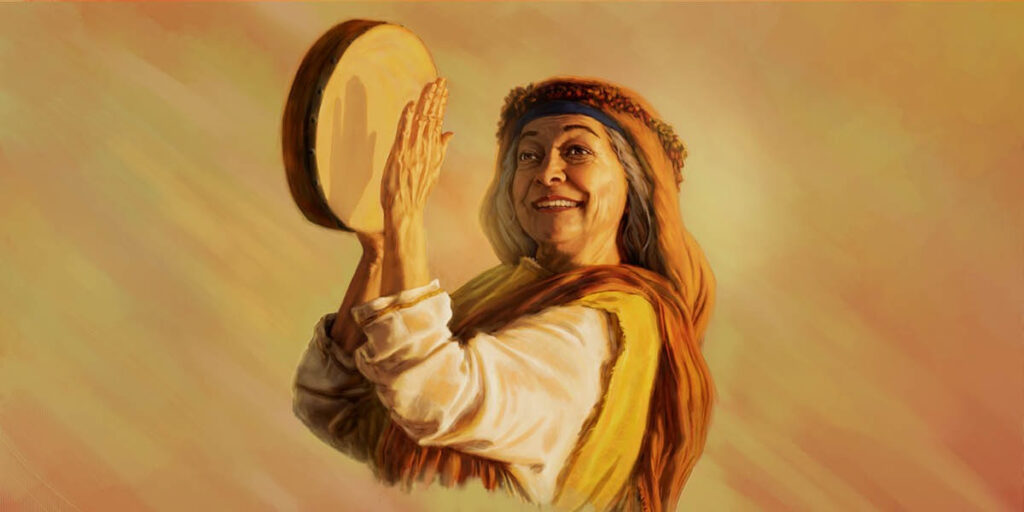
- Just as Miriam, Moses’ sister, was considered a “prophetess,” so are our sisters today entitled to the gift of prophecy and revelation.
- It is important to retain a written record and mementos of God’s special blessings to us, just as the Israelites were instructed to preserve a pot of manna for future generations.

6. Why was Moses initially reluctant to delegate responsibility? (Ex. 18) What negative effect did his hesitation have on (a) him? (b) the Israelites in general? Why did Jethro ask Moses, “What is this thing that thou doest to the people,” rather than “for the people,” or “with the people”? How can we best apply this principle in our own lives?
Moses probably either felt some pride in his position or simply didn’t know the value of delegation. It was wearing out both him and the people who had to stand in line waiting for him and preventing them from learning how to lead themselves. Jethro was right in suggesting that Moses was doing something negative to the people more than something positive for them. Both in our employment, in our church callings, and in our homes we can spare ourselves from burnout and help our associates to grow by learning how to delegate meaningful responsibility and give proper follow up thereafter.
Related cartoons for your enjoyment


Comments
Post a Comment