Points to Ponder in Genesis 12-17 and Abraham 1-2
To accompany your Come, Follow Me study for February 16-22
In addition to reading these chapters, you may want to look at:
- Old Testament Study Helps at Genesis 12–17; Abraham 1–2.
- Scripture Central Genesis 12-17; Abraham 1-2 - Scripture Central
- FAIR To Be a Greater Follower of Righteousness
- The Interpreter Foundation Genesis 12–17; Abraham 1–2
- “Abraham, Covenant of” in the Bible Dictionary at https://www.churchofjesuschrist.org/study/scriptures/bd/abraham-covenant-of?lang=eng
- Joseph Smith Translation of Genesis 14, 15, and 17 at https://www.churchofjesuschrist.org/study/scriptures/jst/jst-gen/14?lang=eng
- “Translation and Historicity of the Book of Abraham” in Gospel Topics Essays at https://www.churchofjesuschrist.org/study/manual/gospel-topics/translation-and-historicity-of-the-book-of-abraham?lang=eng
- “Evidences that Support the Book of Abraham” at https://www.fairlatterdaysaints.org/answers/Book_of_Abraham/Evidences?utm_source=pocket_mylist
- The following videos:
For a Kahoot game related to this material, click here: https://create.kahoot.it/share/genesis-12-17-and-abraham-1-2/f653ca8c-7ae5-487e-b31b-de8ed73284a1
Points to Ponder in Genesis 12-17 and Abraham 1-2
1. Why was it necessary for Abraham to leave Ur and later Haran? What was better about the land of Canaan?
2. Suppose you were Abraham’s attorney. He is charged with both cowardice and perjury in passing his wife off as his sister to save his own life. (12:10-20). As the International Standard Bible Encyclopedia put it, he “lacked faith in God to protect his life and in cowardice sought his own safety at the price of his wife’s honor.” What can you say in his defense?
3. What do you think would be the appropriate synonym for the word “souls” in 12:5? Slaves? Converts? Servants? Friends? Offspring? How can we find out for sure? What does this tell us about the gospel in antiquity?
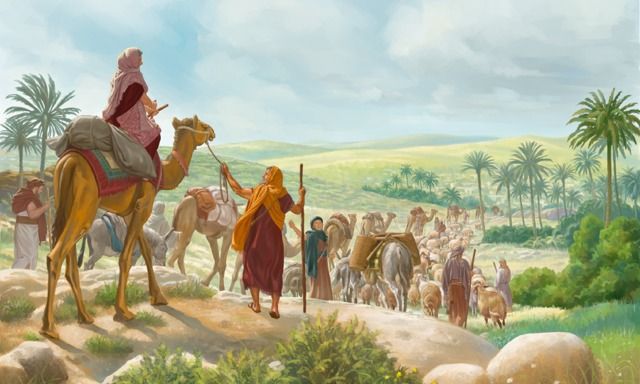
4. What could a missionary do with 12:7?
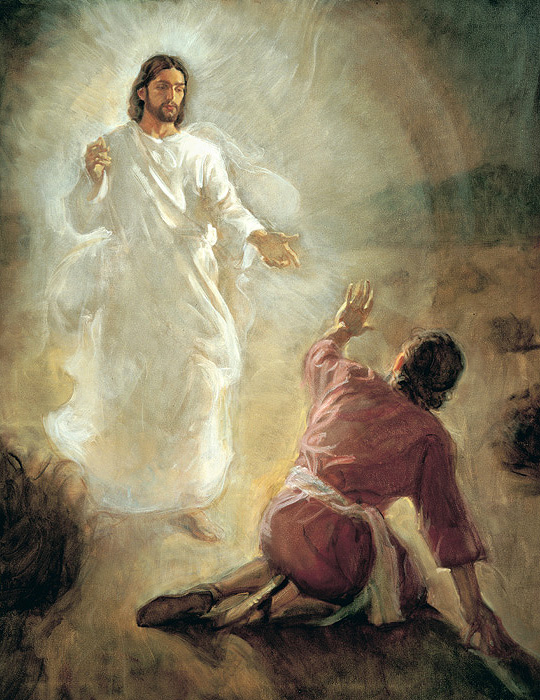
5. What event immediately preceded the Lord’s promise to Abraham of extensive land and posterity? What significance, if any, do you see in the sequence of these events? (13:5-18)
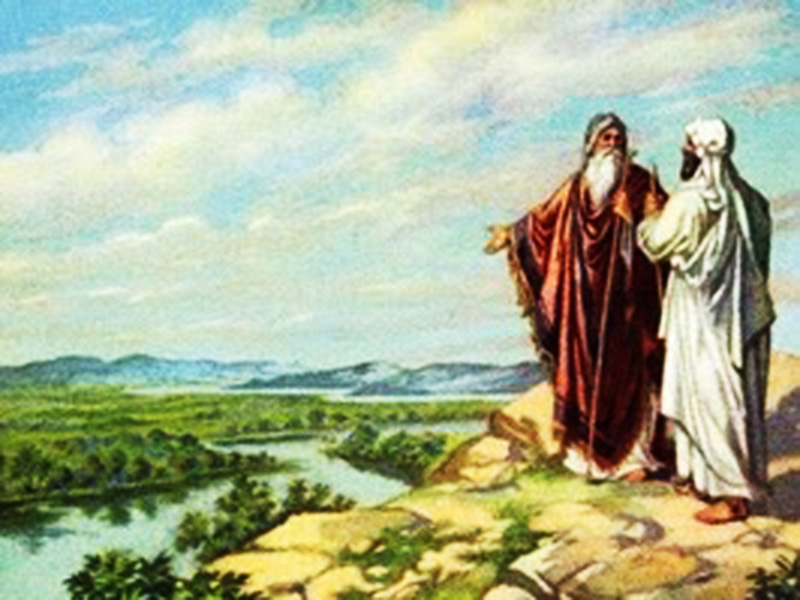
6. How was it possible for Abraham almost single-handedly to defeat the confederated armies of four kings and thereby rescue Lot? Was this simply a spectacular miracle, the equivalent of President Oaks’ vanquishing North Korea, Iran, and China all by himself? Or did Abraham have superior military skill, weapons, or strategy? (14:1-6)
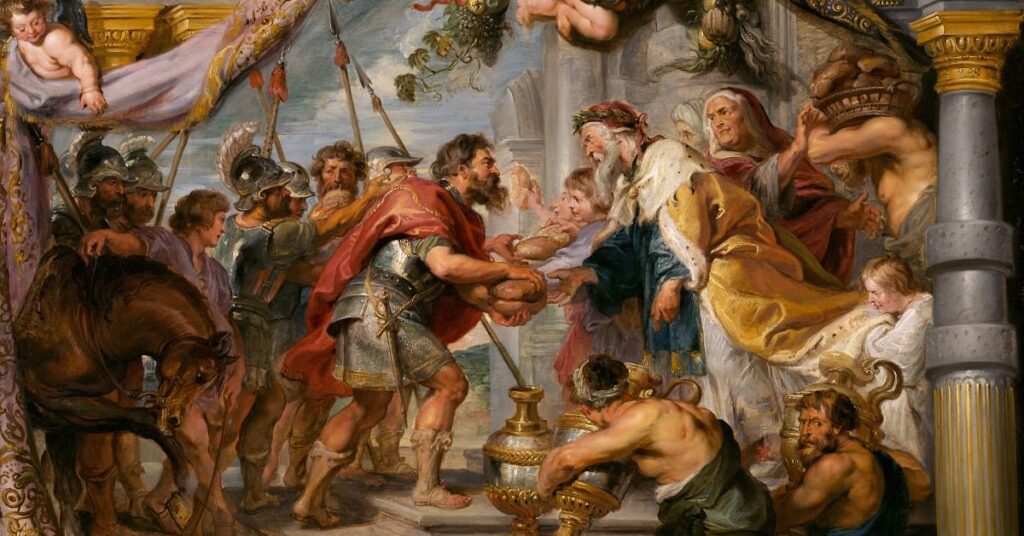
7. If Abraham is the “father of the faithful” and the one into whose family all converts are considered to be adopted, why did he pay tithing to Melchizedek rather than vice-versa? (14:20) What do Latter-day Saints know about Melchizedek that others don’t? Where do we find this information?
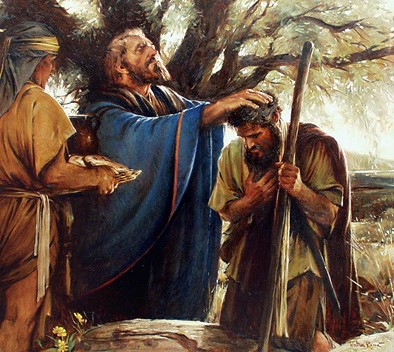
8. What was the connection between the prophesied future captivity of Abraham’s descendants and the fact that “the iniquity of the Amorites” was not yet full? (15:13-16)
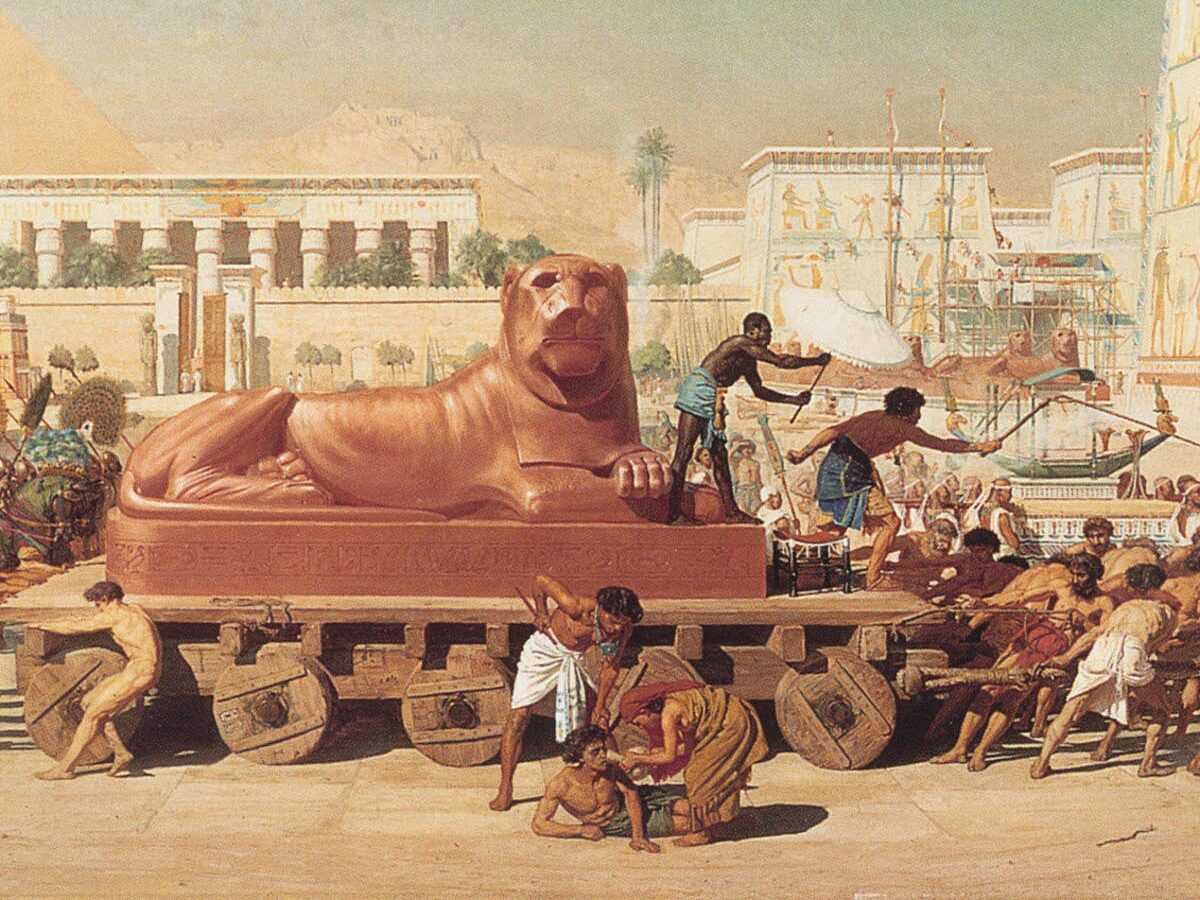
9. What other points can you find in Genesis 15 that you think the Lord would want us to notice?
10. Oops! Abraham needs his defense attorney again. How can you justify his liaison with Hagar? (16:2) If a childless wife of today gave her permission for her husband to impregnate her best friend, would that make it any less adultery?
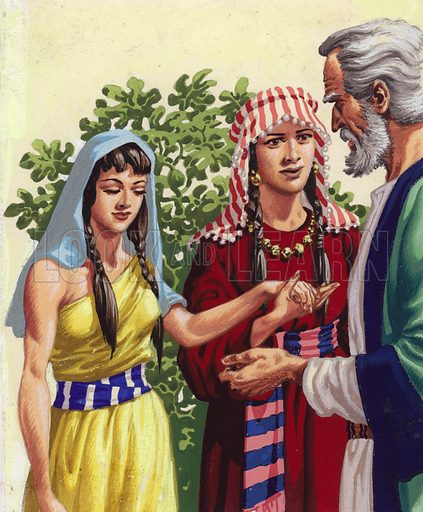
11. What else in Genesis 16 is worth remembering?
12. What is the Abrahamic Covenant, if you boil it down to its essence? What do we covenant to do as our part of it, and what are the blessings the Lord promises to us as “children of Abraham”?
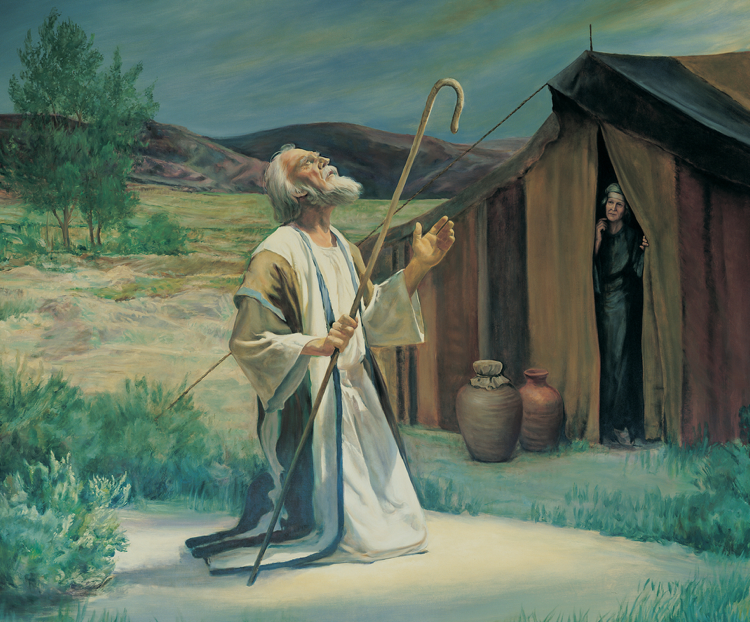
13. When “Elias” (quite probably known as Noah in mortality) committed to Joseph Smith and Oliver Cowdery “the dispensation of the gospel of Abraham” (D&C 110:12), what do we understand the most prominent of those blessings to be, as they pertain to Church members today?
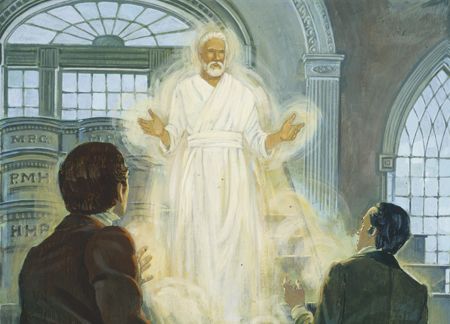
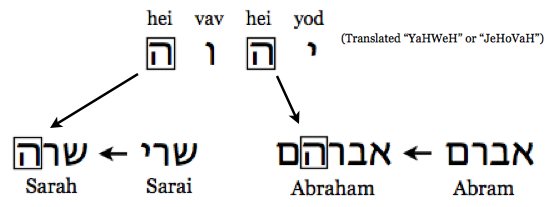
14. What is the significance of the changed names for Abram and Sarai?
15. What external evidence exists to support the historical veracity of the Abraham story in Genesis?
16. What are the biggest contributions of Abraham 1-2 to what we learn in Genesis 12-17?

17. What are the most common arguments non-Latter-day Saint critics make against the Book of Abraham?
18. What do you consider the most persuasive evidence that, despite what the critics say, the Book of Abraham is a true work of scripture?
19. What are the most significant parallels between the Book of Abraham found in the Pearl of Great Price and more recently discovered texts and legends related to Abraham not found in the Bible itself?
Possible Answers to Points to Ponder in Genesis 12-17 and Abraham 1-2
1. Why was it necessary for Abraham to leave Ur? What was better about the land of Canaan?
See Ab. 1:1-18. Abraham’s life was threatened in Ur, and only through the Lord’s deliverance did he escape. Also, it was no place for him to raise a family, in the midst of the idolatry and wickedness so rampant there.
2. Suppose you were Abraham’s attorney. He is charged with both cowardice and perjury in passing his wife off as his sister to save his own life. (12:10-20). As the International Standard Bible Encyclopedia put it, he “lacked faith in God to protect his life and in cowardice sought his own safety at the price of his wife’s honor.” What can you say in his defense?
See Ab. 2:22-25. It was the Lord who so commanded, perhaps as a test for Sarah! Would she accept Abraham as a prophet and accept the Lord’s will? It may have been as necessary for the Mother of the Faithful to pass tests of faithfulness as it would be later for the Father. Also, technically, Abraham didn’t lie, though he did deceive, with divine approval. Sarai was a relative (a niece), and the term “sister” could mean that in that society. Also, she may have been adopted by Terah and thus been Abraham’s sister in that sense. Furthermore, an ancient custom permitted a woman to be adopted as a man’s sister upon their marriage to give her greater legal and social status. For further discussion of this issue, see 5-5 of the Old Testament Institute Student Manual, Vol. 1.
3. What do you think would be the appropriate synonym for the word “souls” in 12:5? Slaves? Converts? Servants? Friends? Offspring? How can we find out for sure? What does this tell us about the gospel in antiquity?
See the footnote, which includes a reference to Ab. 2:15, which makes clear these were understood to be converts. The gospel has always implied missionary work!
4. What could a missionary do with 12:7?
Help a doubter in the Joseph Smith story see that it was standard practice anciently for God to appear to His prophets.
5. What event immediately preceded the Lord’s promise to Abraham of extensive land and posterity? What significance, if any, do you see in the sequence of these events? (13:5-18)
In his willingness to unselfishly let Lot choose to inhabit the best land, Abraham qualified for an everlasting possession, far greater than what he had given up! Likewise, only when we are ready to give up all for the Lord, if necessary, can we become possessors of all He would like to give us.
6. How was it possible for Abraham almost single-handedly to defeat the confederated armies of four kings and thereby rescue Lot? Was this simply a spectacular miracle, the equivalent of President Oaks’ vanquishing North Korea, Iran, and China all by himself? Or did Abraham have superior military skill, weapons, or strategy? (14:1-6)
It wasn’t quite single-handedly. He did take 318 armed servants with him. But the “kings” whom Abraham opposed were the heads of small cities, not vast empires. Still, there must have been some element of divine providence involved, but perhaps not to the extent that we might have supposed if we had been thinking of kings in the more conventional sense of the word.
7. If Abraham is the “father of the faithful” and the one into whose family all converts are considered to be adopted, why did he pay tithing to Melchizedek rather than vice-versa? (14:20) What do Latter-day Saints know about Melchizedek that others don’t? Where do we find this information?
In the Bible, Melchizedek is a rather mysterious character. In Hebrews 7:3 it even appears that he had neither father nor mother, beginning of days nor end of years. In the Joseph Smith Translation of that passage, however, we learn that it was his priesthood that was eternal and did not depend on who one’s father or mother was, as did the Levitical Priesthood. Melchizedek presided over even Abraham. As the institute student manual suggests (5-9), he could have been the same as Shem, the great high priest and son of Noah, who would still have been alive at this time. See the JST version of Genesis 14 for a great deal more information about Melchizedek. Alma 13 has still more, as does D&C 84:14. Among other things, we learn that:
- Melchizedek had great faith and power from God even as a child.
- He was ordained a high priest after the order of the covenant God had made with Enoch.
- He achieved peace in his city of Salem.
- His people sought for the city of Enoch, and “obtained heaven,” evidently meaning they were also translated.
- He was “the high priest, and the keeper of the storehouse of God,…whom God had appointed to receive tithes for the poor.”
- Melchizedek blessed Abraham, evidently confirming the promise God had already given Abraham of riches, honor, and lands for an everlasting possession.
- Abraham was ordained to the priesthood by Melchizedek himself.
8. What was the connection between the prophesied future captivity of Abraham’s descendants and the fact that “the iniquity of the Amorites” was not yet full? (15:13-16)
The Lord doesn’t destroy a people until they are fully ripe in iniquity. He couldn’t properly give the land to Abraham or his descendants until the previous owners proved themselves unqualified.
9. What other points can you find in Genesis 15 that you think the Lord would want us to notice?
- Abraham has another vision in which he sees the Lord (v. 1).
- The faithful are promised eternal increase (v. 5).
- The Lord counts our faith (as manifested by our desires and intentions to obey and to do good) as righteousness, regardless of our results. (v. 6). See Romans 4:3-5.
- Great opposition and trials typically accompany great spiritual experiences, as Joseph Smith also experienced at his First Vision (v. 12).
- In addition to other blessings, Abraham’s seed were promised a land inheritance extending from the Nile to the Euphrates (v. 18).
10. Oops! Abraham needs his defense attorney again. How can you justify his liaison with Hagar? (16:2.) If a childless wife of today gave permission for her husband to impregnate her best friend, would that make it any less adultery?
According to the customs and divine laws of the time, this was an acceptable and logical act. Plural marriage was accepted by the Lord in that day, and Hagar became Abraham’s wife, not his mistress. Plural marriage is against the Lord’s law today, so a comparable episode today would be regarded as adultery.
11. What else in Genesis 16 is worth remembering?
- Sarah’s seemingly petty complaint to Abraham about Hagar and her harshness with Hagar didn’t disqualify her for later blessings (v.5-6).
- God sent His angel even to a slave girl, Hagar (v. 7).
- Hagar was tested by being asked to return to Sarah and be submissive to her (v. 9-10).
12. What is the Abrahamic Covenant, if you boil it down to its essence? What do we covenant to do as our part of it, and what are the blessings the Lord promises to us as “children of Abraham”?
As summarized in Genesis 12:2-3, 13:15-16, 15:18-21, 17:5-14, Abraham 1:2, 2:9, 3:14, and D&C 84:33-39, man’s part in the covenant is to:
- Faithfully seek and obtain the priesthood, as did Abraham (Ab. 1:2-4; D&C 84:33)
- Be a “follower of righteousness,” desire to “possess a greater knowledge,” and desire “to receive instructions, and to keep the commandments of God” (Ab. 1:2), and magnify one’s calling (D&C 84:33)
- Receive the Lord’s servants (which would include honoring and following them), thereby receiving the Lord Himself (D&C 84:36)
- Bear “this ministry and Priesthood unto all nations” (Ab. 2:9)
- Receive the required ordinances, which in Abraham’s day included that of circumcision (Gen. 17:10-14).
The blessings promised to Abraham, and by extension to his faithful children, whether literal or adopted, included:
- All who would receive the gospel would be accounted as Abraham’s seed. (Ab. 2:10)
- His own name was changed from Abram (“exalted father”) to Abraham (“father of a multitude”) to better reflect the extent of Abraham’s eternal posterity.
- His posterity would be a “great nation,” as numerous as the dust of the earth (Genesis 13:16), stars in the heavens, or the sands upon the seashore (see Genesis 17:5–6; 22:17; Abraham 2:9; 3:14).
- God would make his name great and bless those who blessed him and curse those who cursed him. (Gen. 12:2-3.)
- His posterity would inherit all the land from the Nile to the Euphrates (Gen. 15:18-21). In eternity, they (the “meek”) would inherit the celestialized earth. (Matthew 5:5).
- His seed, or descendants, would receive the gospel and be honored to bear the priesthood (see Abraham 2:9) to others, such that “all the families of the earth [would] be blessed, even with the blessings of the Gospel, which are the blessings of salvation, even of life eternal” (Abraham 2:11).
- He and all who received and kept the same covenant would ultimately receive all that the Father has (D&C 84:38)
13. When “Elias” (quite probably known as Noah in mortality) committed to Joseph Smith and Oliver Cowdery “the dispensation of the gospel of Abraham” (D&C 110:12), what do we understand the most prominent of those blessings to be, as they pertain to Church members today?
Those mentioned most often by those speaking on the subject are eternal posterity, just as was promised to Abraham, and, by extension, eternal marriage, without which the eternal posterity could not be had. It appears that a second point of emphasis in D&C 110, which we don’t as often speak about, is that “in us and our seed all generations after us should be blessed.” (D&C 110:12.) In other words, just as Abraham was told that it would be his and his posterity’s mission to bear the gospel and the priesthood to “all the families of the earth,” so are we given the same mission—not simply to revel in the richness of the Lord’s favor to us but to see that all others have a similar opportunity.
14. What is the significance of the changed names for Abram and Sarai?
Whereas Abram meant “exalted father,” there was nothing implied as to the quantity of children who would be born. “Abraham,” however, signifies “father of a multitude.” Abraham’s name change seems symbolic of the Lord’s promise to him of an endless posterity. The change in Sarai’s name is more puzzling, as both Sarai and Sarah mean “princess.” Perhaps the Lord was simply reemphasizing her prospective queenhood, or perhaps there was some subtle difference between the two terms that was better understood then than now.
15. What external evidence exists to support the historical veracity of the Abraham story in Genesis?
DeepSeek AI summarizes it as follows:
While there is no definitive archaeological proof that Abraham was a specific historical figure, there is a significant body of external evidence that strongly supports the historicity of the world described in the Genesis narrative. This evidence, primarily from ancient texts and archaeological excavations, confirms that the customs, places, names, and general way of life depicted in the stories of Abraham fit perfectly within the context of the early second millennium BCE, the period in which he is traditionally placed.
The table below summarizes the main categories of external evidence that corroborate the Genesis account.
 Personal Names
 Cultural & Artistic Depictions
 The World of the Patriarchs: Cities and Places
For many years, critics doubted the existence of “Ur of the Chaldeans,” Abraham’s reported birthplace.
- Excavation of Ur: The thorough excavation of the city of Ur in southern Iraq by Leonard Woolley in 1922 demonstrated that it was a thriving and sophisticated metropolis around 2000 B.C., precisely the time frame traditionally associated with Abraham .
- Confirmation of Haran: Similarly, the city of Haran, where Abraham’s family settled for a time, has been definitively located in upper Mesopotamia (modern-day Turkey) and was identified as a major pilgrimage city and center for the moon-god cult .
- The Mari Tablets: The discovery of thousands of tablets at the ancient city of Mari (in modern Syria) has been revolutionary. These 18th-century BCE texts not only confirm the importance of cities like Haran and Nahor but also mention the Banu Yamina (“Benjaminites”) and the Ḫapiru (often linked to the word “Hebrew”) .
 Ancient Customs and Laws: The Nuzi and Mari Tablets
The most compelling evidence for the authenticity of the patriarchal narratives comes from the Nuzi tablets, discovered in northern Iraq, and the Mari tablets . These documents, dating from the 15th to the 18th centuries BCE, detail the social and legal customs of the Hurrian and Amorite peoples. They provide direct parallels to several otherwise puzzling biblical episodes:
- Surrogate Motherhood: When Sarah was barren, she gave her maidservant Hagar to Abraham to bear a child. This practice is explicitly outlined in Nuzi marriage contracts, which stipulated that a barren wife must provide a slave-girl as a substitute for her husband .
- Household Gods (Teraphim): Rachel’s theft of her father Laban’s household gods is explained by Nuzi customs, which indicate that possession of these idols (teraphim) could confer the right of inheritance and leadership of the family .
- Adoption and Inheritance: Abraham’s initial concern that his heir would be his servant Eliezer of Damascus (Genesis 15:2-3) reflects a Nuzi custom where a childless couple could adopt a servant, who would then care for them and inherit their property .
 Cultural and Artistic Parallels
The daily life and appearance of the patriarchs, as described in Genesis, are also reflected in ancient art.
- The Beni Hasan Painting: A famous tomb painting at Beni Hasan, Egypt, dating to around 1900 B.C., depicts a group of Semitic traders entering Egypt. The men, women, and children are shown wearing colorful clothing and carrying harps, bows, and spears, and are accompanied by donkeys. This artistic evidence provides a vivid visual parallel to the biblical descriptions of Abraham’s and Jacob’s families and their movements .
 Political and Economic Context
The broader political and economic details in Genesis also align with external sources.
- Egyptian Execration Texts: These Egyptian texts (c. 1900 BCE) curse the enemies of Pharaoh and mention Canaanite cities like Shechem, confirming its existence and political importance during the patriarchal age .
- Price of Slaves: The Gospel of Joseph being sold into slavery for 20 shekels of silver (Genesis 37:28) matches the standard price for a male slave in that period, as recorded in the famous laws of Hammurabi (c. 1792-1750 BCE) .
In summary, while we may never have an artifact bearing Abraham’s signature, the external evidence overwhelmingly confirms that his story is set against a historically authentic backdrop. The people, places, customs, and prices mentioned in Genesis are not fanciful inventions of a much later time but are firmly rooted in the reality of the early second millennium BCE.
16. What are the biggest contributions of Abraham 1-2 to what we learn in Genesis 12-17?
We learn:
- Abraham wasn’t just selected out of the blue to be the Lord’s prophet, but he had actively sought for his appointment to the high priesthood. (1:2-4)
- Abraham’s father, Terah, was an idolator, as were other unspecified generations of ancestors (2:5). If the Genesis 11 chronology is correct, all of Abraham’s paternal ancestors back to and including Noah were still alive at the time of his birth. D&C 138 assures us that Noah and Shem were both part of the vast congregation of the righteous” who were assembled to welcome the Savior into the spirit world following His crucifixion, but we have no information concerning the lives of those from Arphaxad through Nahor, other than to assume that many if not all of them were among the “fathers” of Abraham who had turned to idolatry.
- Abraham’s “fathers” were among those who practiced human sacrifice and rejected Abraham’s efforts to teach them. (1:5-8.)
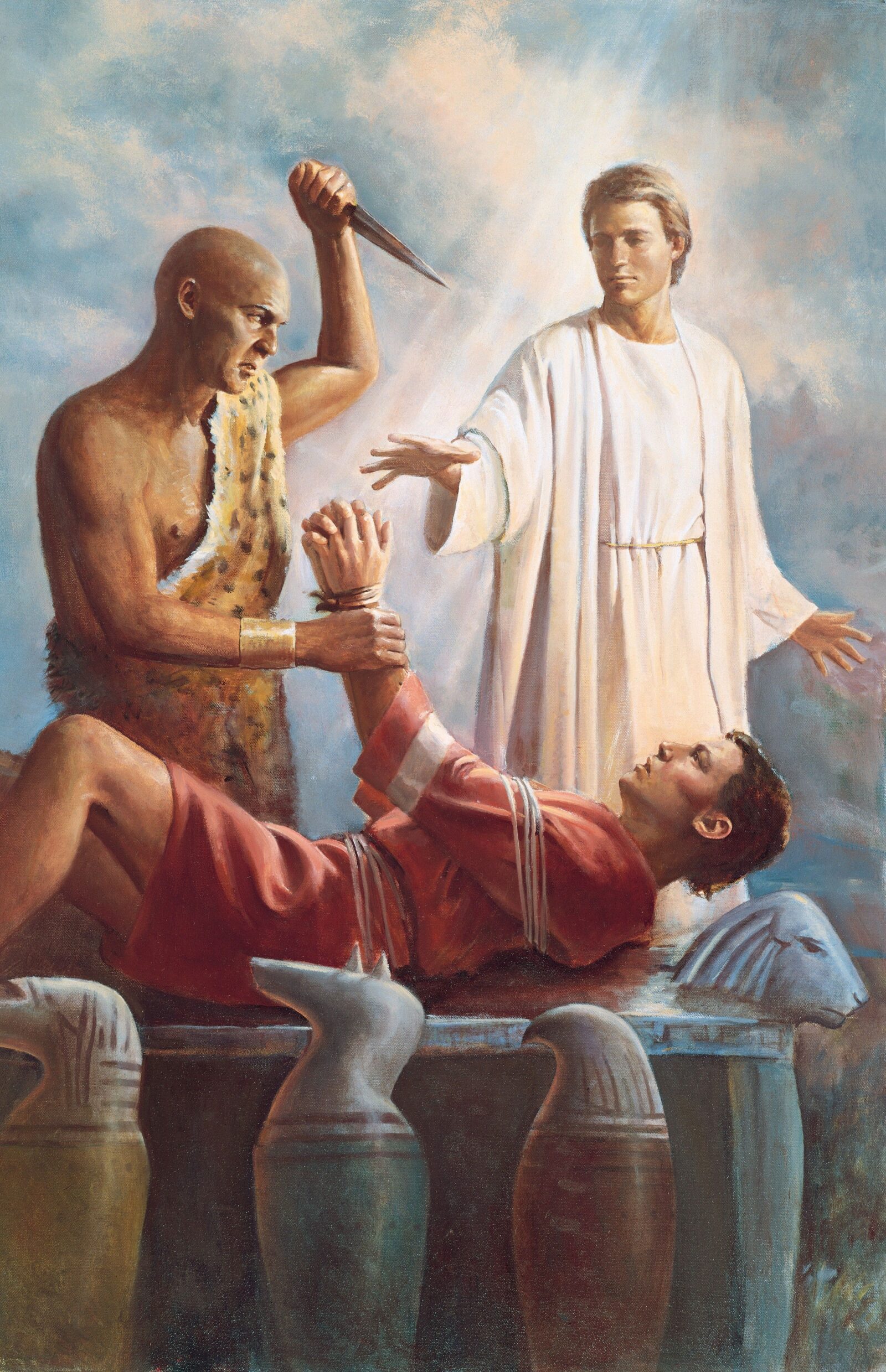
- An attempt was made to sacrifice Abraham himself, evidently with the active participation of his own father (1:30), but an angel intervened and saved his life, destroying not only the altar but the idolatrous priest who was prepared to slay Abraham. (1:12-20).
- Abraham had sacred records from the time of the patriarchs which told of the creation and provided astronomical details. (1:31)
- Additional details concerning the Abrahamic covenant and the responsibility to take the gospel and its ordinances to all the families of the earth. (2:9-11)
- Abraham had made converts in Haran, who accompanied him when he left on the way to Canaan. (2:15)
- Abraham was 62 years old, not 75 as Genesis 12:4 alleges, when he left Haran. (2:14)
- It was the Lord, not Abraham, who proposed telling the Egyptians that Sarai was his sister. (2:22-25)
17. What are the most common arguments non-Latter-day Saint critics make against the Book of Abraham?
They boil down to:
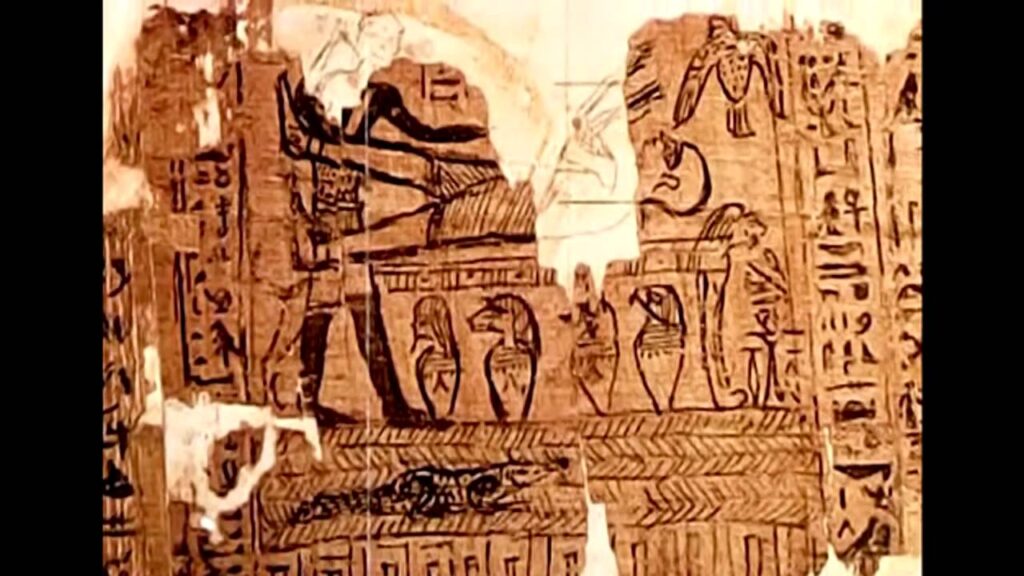
- The papyri which Joseph Smith used in producing the Book of Abraham date only to the 2nd or 3rd century B.C., not to Abraham’s time.
- Egyptologists agree that nothing in the papyrus fragments now in the Church’s possession has anything to do with Abraham or the content of the Book of Abraham.
18. What do you consider the most persuasive evidence that, despite what the critics say, the Book of Abraham is a true work of scripture?
- The Church doesn’t claim that the papyri were written in their current form by Abraham, and we simply don’t know how Joseph Smith produced the Book of Abraham. Much like the Book of Mormon plates appear to have been primarily a catalyst for Joseph Smith to receive the translation through divine revelation, so could the papyri have stimulated Joseph Smith to seek and obtain the Book of Abraham in the same way.
- Information in the Book of Abraham matches in remarkable detail information about Abraham found in ancient sources unavailable to Joseph Smith. For selected examples, see any or all of the sources referenced at the beginning of this post, as well as the information in the answer to the following question #19.
- One can receive a spiritual witness of the truthfulness of the Book of Abraham in the same way he can know that the Book of Mormon is true.
19. What are the most significant parallels between the Book of Abraham found in the Pearl of Great Price and more recently discovered texts and legends related to Abraham not found in the Bible itself?
DeepSeek AI offers the following fascinating information:
While the Book of Abraham is accepted by The Church of Jesus Christ of Latter-day Saints as a divinely inspired translation by Joseph Smith, its contents can be compared to a vast body of non-biblical literature about Abraham that has become more accessible to scholars over the last two centuries.
The most significant parallels between the Book of Abraham and these extra-biblical texts fall into several key categories: the events of Abraham’s early life, his astronomical knowledge, ancient religious practices, and specific linguistic/cultural details. The table below summarizes the most compelling of these parallels.
 Analyzing the Parallels
Scholars who study these connections suggest a few ways to interpret them:
- A Common Ancient Tradition: The most common explanation among Latter-day Saint scholars is that these parallels point to a shared, ancient source—a genuine tradition about Abraham’s life that was preserved in various forms across different cultures (Jewish, Christian, Islamic, Egyptian) over the millennia. The Book of Abraham, in this view, is a restoration of that original, authentic account.
- Preservation Through Transmission: These non-biblical texts are seen as “doctrinal debris”—fragments of ancient truth that have been passed down, sometimes in distorted forms, through generations. The Book of Abraham helps to identify and clarify these authentic kernels within later legends.
- Not a Matter of 19th-Century Borrowing: A key point made by researchers is that many of these parallel texts (like the Apocalypse of Abraham, the Genesis Apocryphon, and the Leiden papyri) were either unknown or not translated into English in Joseph Smith’s day. This, they argue, makes it highly unlikely that he could have synthesized their unique details to create the Book of Abraham.
In summary, the Book of Abraham contains numerous and detailed parallels with a wide array of ancient texts about Abraham that were not part of the biblical canon. These parallels cover unique episodes of his life, his role as a great astronomer, and specific details of ancient religion, suggesting a deep connection to a body of Abrahamic lore that circulated in the ancient world.


Comments
Post a Comment