Points to Ponder in Haggai 1-2 and Zechariah 1-4, 7-11
1. Why was the Lord so disappointed with the Jews at the time of Haggai for not having rebuilt the temple, when they were so impoverished?
2. Does God really send economic problems to those who don’t show sufficient faithfulness to Him?
3. What Messianic reference can you find in Haggai 2? What hymn from our hymnbook contains a reference to this passage?
4. What other passage(s) in Haggai did you consider worth marking? Why?
Treasure Hunt in Zechariah
Find passages in Zechariah 1-3 and 6-14 corresponding to each of the following concepts. They are listed in the order in which they appear in the book of Zechariah. (Chapter 6 isn’t part of the Come, Follow Me assignment, but it has a passage worth noting, anyway.)
5. The future glory of Jerusalem is foretold
6. At the time of the Second Coming, there will be mass conversions from throughout the world.
7. The high priest during Zechariah’s day was a type and symbol of the future Messiah, who would have the same name.
8. Another beautiful portrayal of the future glory and peace of the city of Jerusalem.
9. A prophecy of an event in the life of Christ whose fulfillment is cited by Matthew, Mark, and John, but was possibly misunderstood by Matthew.
10. Judas’ betrayal of Jesus is foretold.
11. God created the spirit within us, implying a pre-mortal existence.
12. Zechariah’s first reference to the feelings of the Jews when they finally realize who Jesus Christ is and what their ancestors did to Him.
13. Zechariah’s second reference to the Jews’ future discovery of who Jesus really was.
14. At the War of Armageddon, “all nations” will be gathered to battle against Jerusalem, at which moment the Lord will miraculously save His people.
15. Passage cross-referenced to 1 Thessalonians 4:14, indicating that the righteous dead will be resurrected at the time of Christ’s Second Coming and will descend with Him.
16. Just as Jesus’ first coming was marked, among the Nephites, by a day and a night and a day with no darkness, so will there be no darkness on the evening following His Second Coming.
17. Seeming reference to the same phenomenon referred to by Ezekiel (47:1) and Joel (3:18) of water flowing from the temple in Jerusalem.
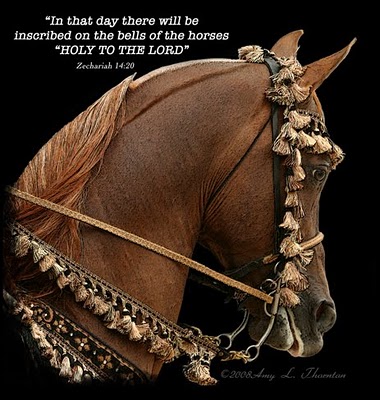
18. Special insignia which will adorn prominent fixtures during the Millennium.
Possible Answers to Points to Ponder in Haggai 1-2 and Zechariah 1-4, 7-14
1. Why was the Lord so disappointed with the Jews at the time of Haggai for not having rebuilt the temple, when they were so impoverished?
For one thing, they weren’t all that impoverished. At least some were able to afford fancy, paneled houses for themselves (1:4). They just didn’t consider the rebuilding of the house of the Lord to be as great a priority as building their own houses.
Secondly, the Lord has always tried His people to see if they would sacrifice for His cause, even in times of economic distress. The great blessings poured out on the saints at the time of the dedication of the Kirtland Temple were no doubt due to their having just built the costliest temple ever built in terms of the per-person sacrifice it required compared to the available means of the builders. The Nauvoo and Salt Lake temples were similarly built with great sacrifice, which permitted the Lord to shower blessings upon the Church membership that they could not otherwise have enjoyed.
2. Does God really send economic problems to those who don’t show sufficient faithfulness to Him?
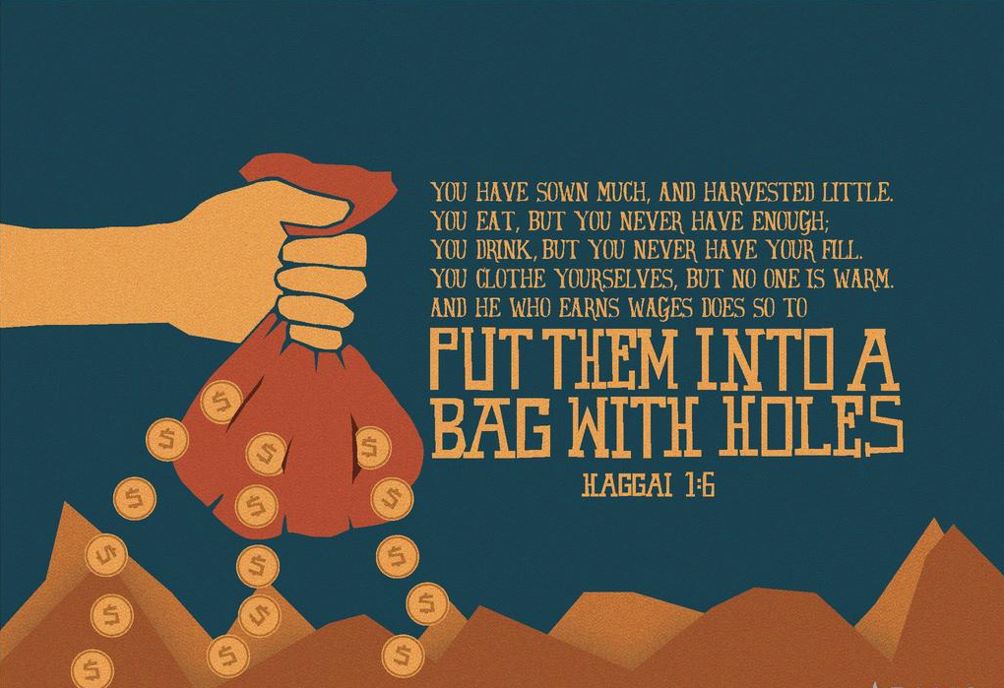
Sometimes, He does. He specifically told the people through Haggai that the reason they had “sown much, and bring in little” and that “he that earneth wages earneth wages to put it into a bag with holes” was “because of mine house that is waste.” (Haggai 1:6, 9.) And Nephi observed in Helaman 12:3 that “the Lord doth chasten his people with many afflictions,” for their own good, as except he doth visit them with death and with terror, and with famine and with all manner of pestilence, they will not remember him.”
3. What Messianic reference can you find in Haggai 2? What hymn from our hymnbook contains a reference to this passage?
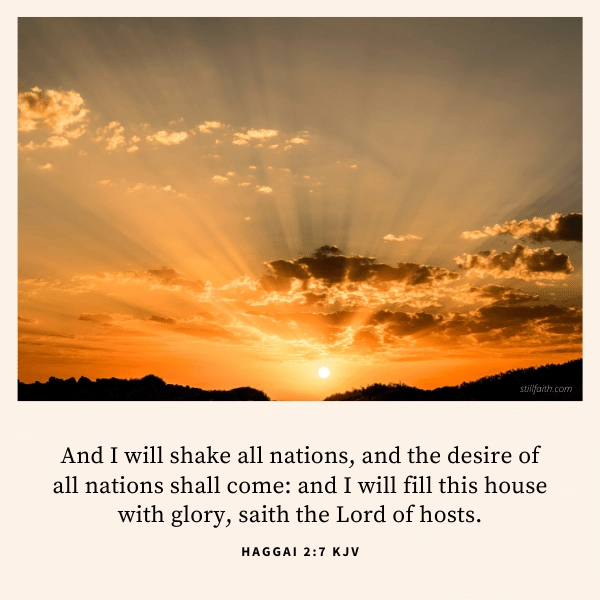
Haggai 2:7 tells us that “the desire of all nations shall come.” That is considered to be a prophecy of the Second Coming of Jesus Christ. Parley P. Pratt included it in his lyrics to “Come, O Thou King of Kings,” the first verse of which says, “Come, thou desire of nations, come; Let Israel now be gathered home.”
4. What other passage(s) in Haggai did you consider worth marking? Why?
Your choice. I marked:
1:7: “Consider your ways.” A good reminder to take inventory of how we are doing relative to things that really matter.
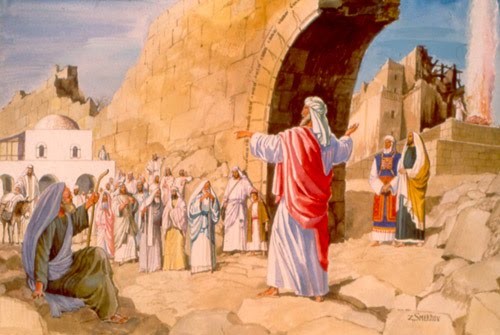
1:14: The Lord stirred up the spirit of not only the governor and the high priest but that of “all the remnant of the people,” who then came and worked in the rebuilding of the temple. Some of us need a similar infusion of divine motivation to work in today’s temples!
2:9: The latter-day Jewish temple will be more glorious than that of the days of Solomon. The Lord adds, “And in this place will I give peace.” Though that may refer to all of Jerusalem (in fact, all the earth), its inclusion in the same sentence that foretold the glory of the temple suggests that peace may be especially characteristic of that holy house.
Treasure Hunt in Zechariah
Find passages in Zechariah 1-3 and 6-14 corresponding to each of the following concepts. They are listed in the order in which they appear in the book of Zechariah. (Chapter 6 isn’t part of the Come Follow Me assignment, but it has a passage worth noting, anyway.)
5. The future glory of Jerusalem is foretold
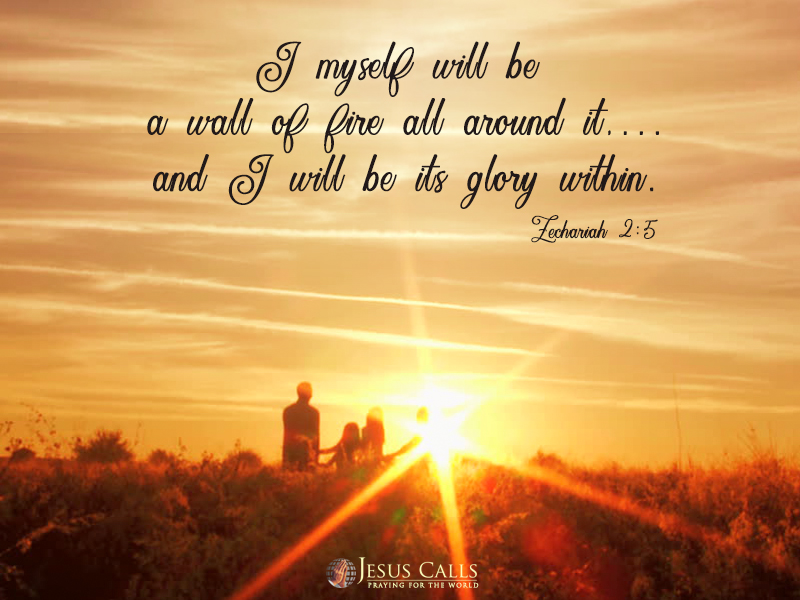
2:4-5
6. At the time of the Second Coming, there will be mass conversions from throughout the world.
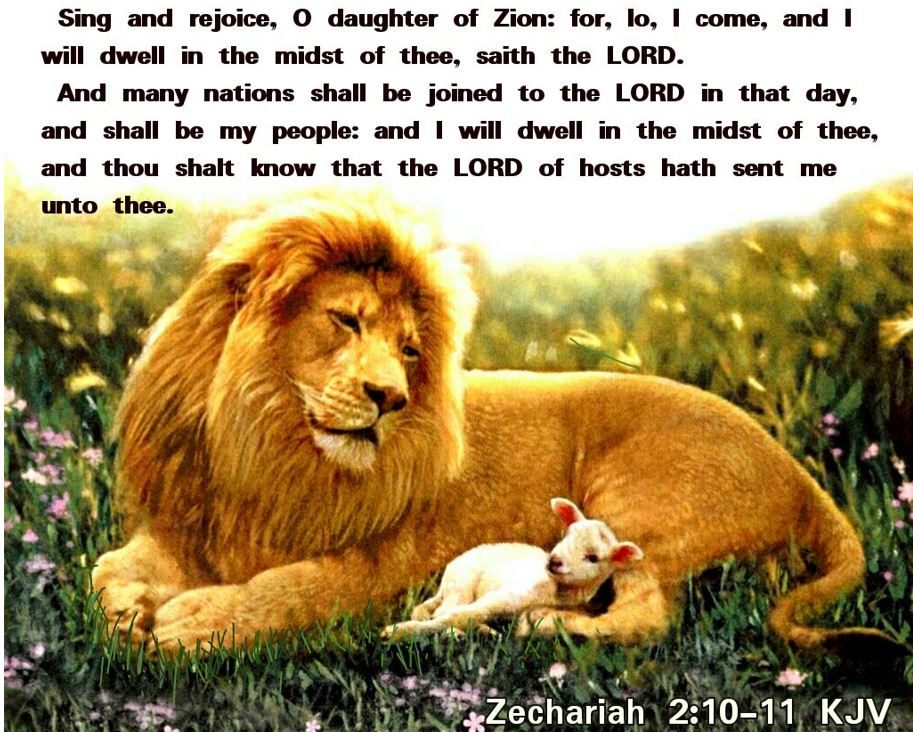
2:10-12
7. The high priest during Zechariah’s day was a type and symbol of the future Messiah, who would have the same name.
6:11-13. The name “Joshua” is the same as the name “Jesus” in the New Testament. Referred to here as the “BRANCH,” he would sit and rule upon God’s throne and show forth His glory.
8. Another beautiful portrayal of the future glory and peace of the city of Jerusalem.
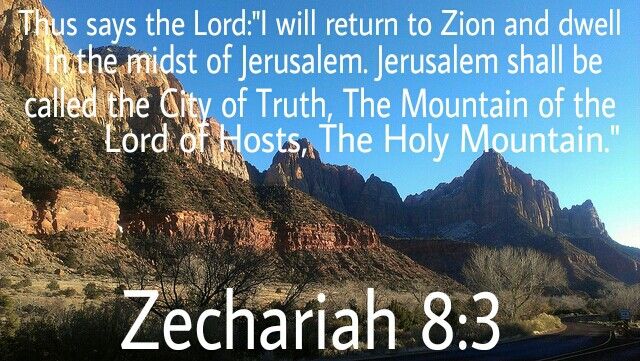
8:3-5: “A city of truth” with the Lord’s “holy mountain,” where old men and women would live peacefully beside boys and girls playing in the streets.
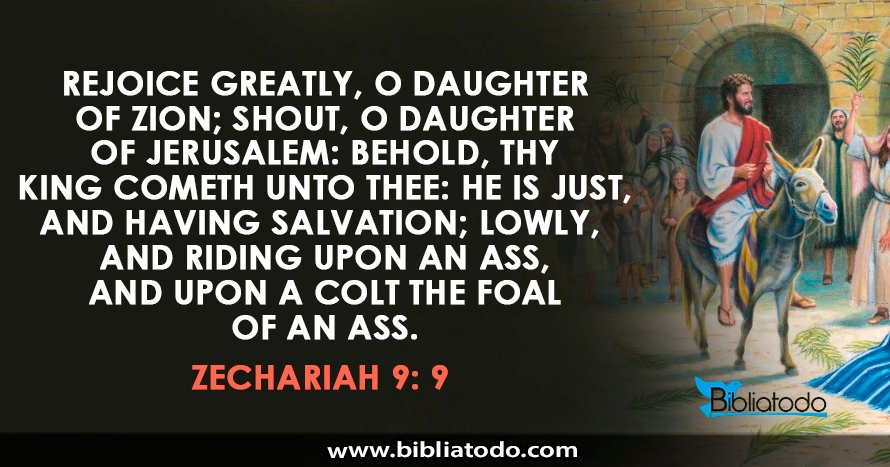
9. A prophecy of an event in the life of Christ whose fulfillment is cited by Matthew, Mark, and John, but was possibly misunderstood by Matthew.
9:9. This is understood to foretell Jesus’ triumphal entry into Jerusalem. But was it upon one donkey or two? Mark 11:1-11 mentions just one. So does John 12:14-15. But Matthew 21:1-7 tells of both “an ass, and a colt the foal of an ass.” So how many were there? With the vote among gospel writers being 2-1 in favor of just one animal, it appears quite possible that Mark and John understood Zechariah to be employing parallelism and that the “ass” was identical to the “colt the foal of an ass.” Possibly, Matthew didn’t realize Zechariah was using parallelism at this point, so he added an extra animal to the story of the triumphal entry to make it correspond better to what he thought Zechariah was saying. Someday we’ll know for sure.
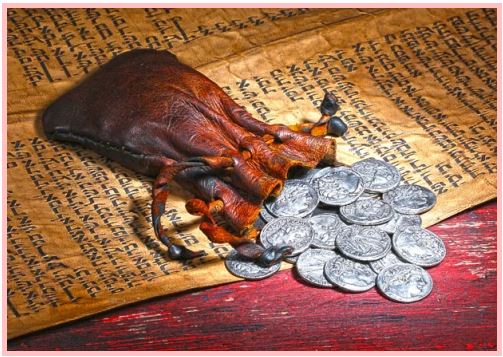
10. Judas’ betrayal of Jesus is foretold.
11:12-13. The thirty pieces of silver foretold.
11. God created the spirit within us, implying a premortal existence.
12:1
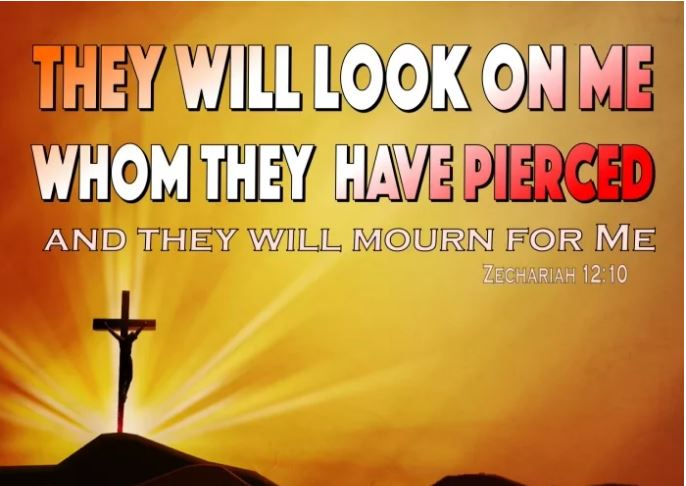
12. Zechariah’s first reference to the feelings of the Jews when they finally realize who Jesus Christ is and what their ancestors did to Him.
12:10
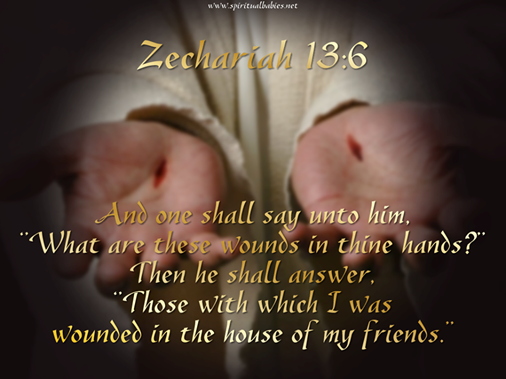
13. Zechariah’s second reference to the Jews’ future discovery of who Jesus really was.
13:6
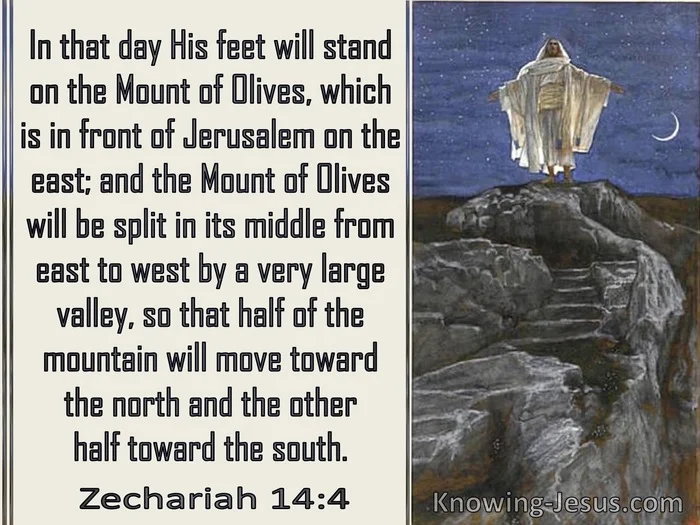
14. At the War of Armageddon, “all nations” will be gathered to battle against Jerusalem, at which moment the Lord will miraculously save His people.
14:1-4
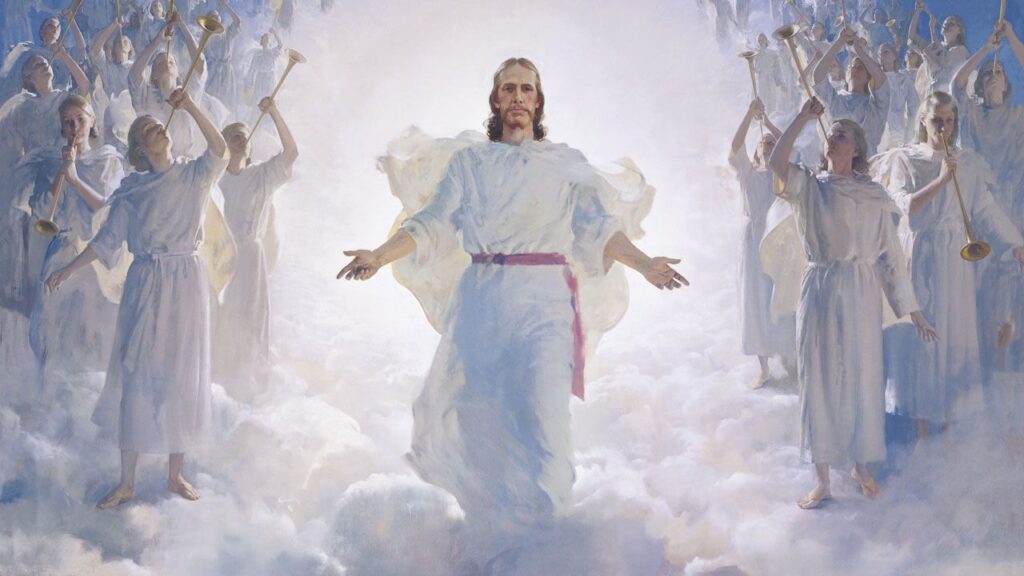
15. Passage cross-referenced to 1 Thessalonians 4:14, indicating that the righteous dead will be resurrected at the time of Christ’s Second Coming and will descend with Him.
14:5
16. Just as Jesus’ first coming was marked, among the Nephites, by a day and a night and a day with no darkness, so will there be no darkness on the evening following His Second Coming.
14:6-7
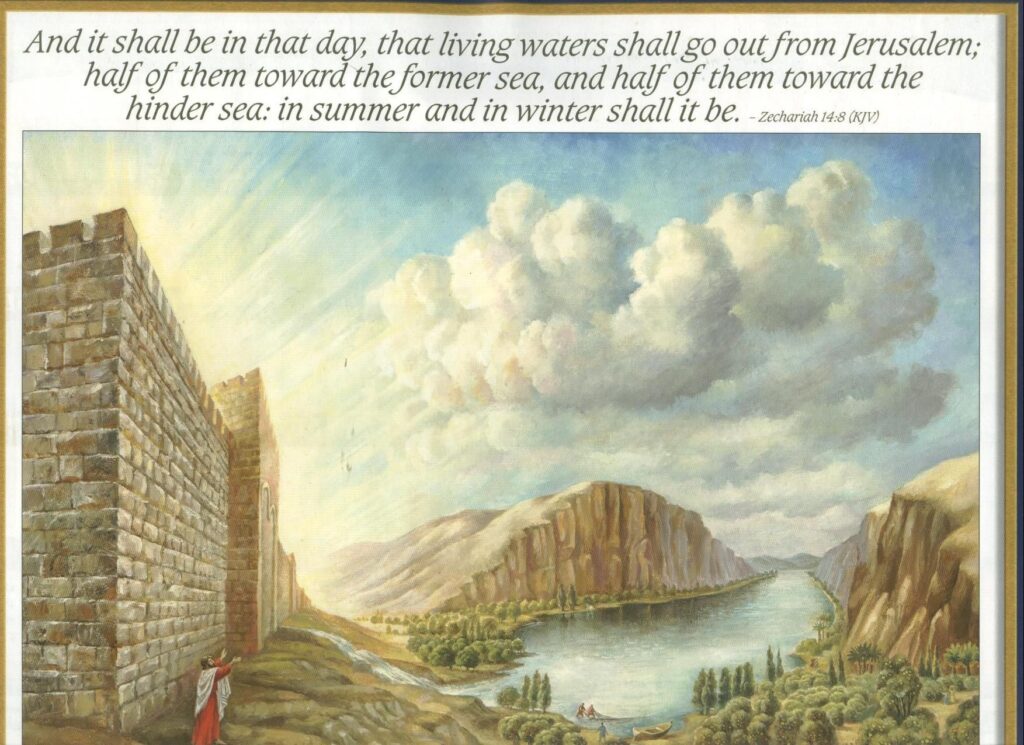
17. Seeming reference to the same phenomenon referred to by Ezekiel (47:1) and Joel (3:18) of water flowing from the temple in Jerusalem.
14:8
18. Special insignia which will adorn prominent fixtures during the Millennium.
14:20
Related Cartoons for Your Enjoyment
Haggai 1:4-6
"And the Lord stirred up the spirit of Zerubbabel,... and the spirit of all the remnant of the people; and they came and did work in the house of the Lord of hosts." (Haggai 1:14)
"The glory of this latter house shall be greater than of the former." (Haggai 2:9)
"Jerusalem shall be inhabited as towns without walls for the multitude of men and cattle therein: For I, saith the Lord, will be unto her a wall of fire round about, and will be the glory in the midst of her." (Zechariah 2:4-5)
Joshua the high priest clothed in clean garments (Zechariah 3:1-5)
Zechariah 4:6-7
Zechariah 7:4-10
The Neighborhood Watch (Zechariah 8:4-5)
"Behold, thy King cometh unto thee: he is just, and having salvation; lowly, and riding upon an ass." (Zechariah 9:9)
To accompany your Come, Follow Me study for March 2-8 In addition to reading these chapters, you may want to look at: Old Testament Scripture Helps for Genesis 24-33 at: Genesis 24–33 Scripture Central Genesis 24-33 - Scripture Central FAIR Let God Prevail The Interpreter Foundation Genesis 24–33 The following videos: If you would like a Kahoot game related to these chapters, click here f or Genesis 24-27 : https://create.kahoot.it/share/genesis-24-27/8bb292fe-01c5-4102-b05e-8c695dde23f9 . For a similar Kahoot related to chapters 28-33, click here: https://create.kahoot.it/share/genesis-28-33/a9f695d4-8573-4120-a57d-047fd808279a . Points to Ponder in Genesis 24- 33 1. How many interesting parallels can you find between the life of Isaac and that of his father, Abraham? 2. What are the most important points to remember, in your opinion, from the story of the marriage of Isaa...
To accompany your Come, Follow Me study for April 27-May 3 In addition to reading the indicated chapters, you may wish to look at: Old Testament Study Helps at Exodus 35–40; Leviticus 1; 4; 16; 19 . Scripture Central Exodus 35-40; Leviticus 1, 4, 16, 19 - Scripture Central FAIR Holiness to the Lord The Interpreter Foundation Exodus 35–40; Leviticus 1; 4; 16; 19 The following videos: If you would like a Kahoot game related to this material, click here: https://create.kahoot.it/share/exodus-35-40-leviticus-1-16-19/0b8b87c2-6c42-4b8f-a865-ebd14f4ce2cd Points to Ponder in Exodus 35-40; Leviticus 1, 4, 16, 19 1. Of what possible value is all the detail in these chapters concerning the construction of the tabernacle? What underlying principles can you discover that apply to our temple worship today? 2. Why did Moses ask for donations only from the willing-hearted? (Exodus 35:5, 21-22, 29, 36:2, Wouldn’t it h...
To accompany your Come, Follow Me study for the week of May 11-17 I n addition to reading the indicated chapters, you may wish to look at: Old Testament Study Helps at Deuteronomy 6–8; 15; 18; 29–30; 34 . The remaining chapters of Deuteronomy, to find out what everyone else will be missing! Scripture Central Deuteronomy 6-8, 15, 18, 29-30, 34 - Scripture Central FAIR Beware Lest Thou Forget the Lord The Interpreter Foundation Deuteronomy 6–8; 15; 18; 29–30; 34 The following videos: If you would like a Kahoot game related to this material which you could use for personal study or use with your family or your class, click here: https://create.kahoot.it/share/deuteronomy-6-8-15-18-29-30-and-34/3d106b2a-c711-4e3e-8bc2-24edcc63a00b Points to Ponder in Deuteronomy 6-8, 15, 18, 29-30, and 34 1. Deuteronomy 6:4-9 is the first paragraph of what came to be known in Judaism as the “Shema,” a declaration which the faithful w...




 Zechariah 4:6-7


Comments
Post a Comment